
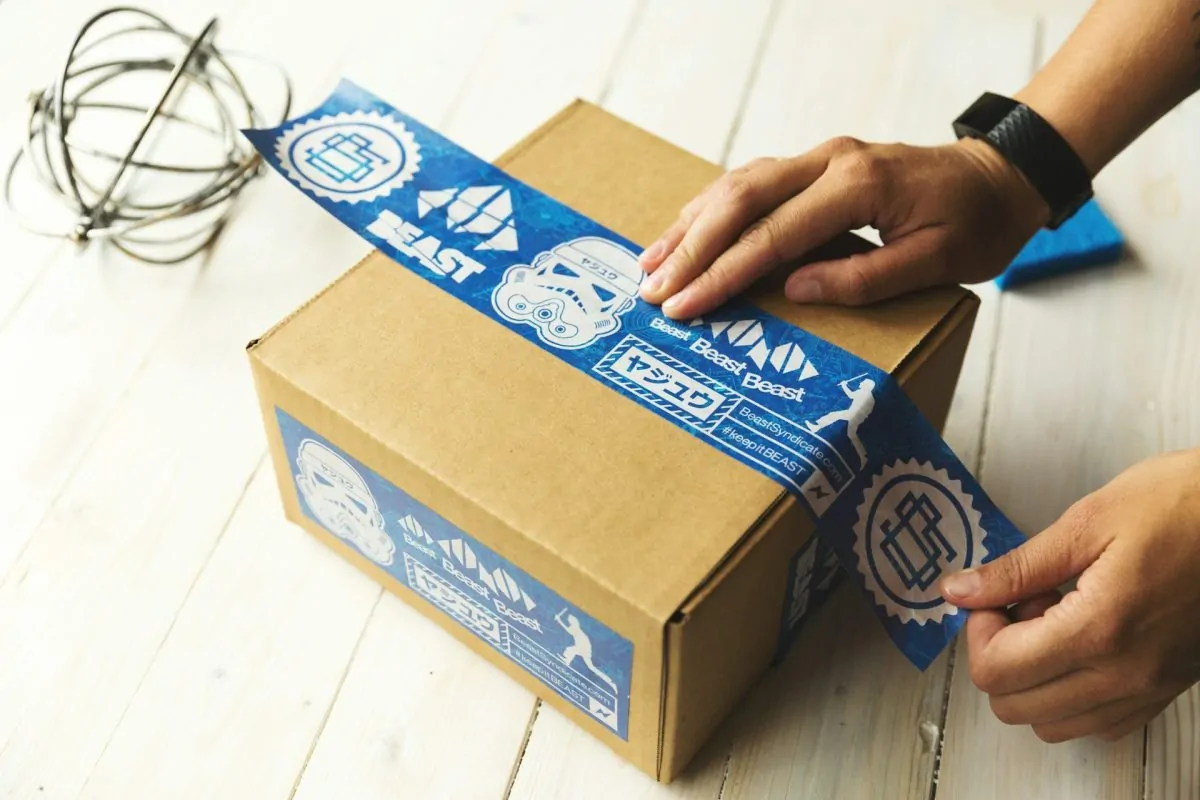
Key Takeaways:
- Custom packaging strengthens brand recognition beyond the product itself
- Consistent branding improves unboxing experience and repeat purchases
- Scalable packaging processes support growth without slowing fulfilment
What custom packaging and branding actually mean
Custom packaging and branding refer to the deliberate design and presentation of how products are packed, labelled, and delivered to customers. This includes box selection, printed branding, colours, inserts, and protective materials. Together, these elements shape how a customer perceives a brand from the moment an order arrives. Strong packaging doesn’t just protect products. It reinforces trust, quality, and consistency across every shipment.
For ecommerce brands, packaging often becomes the most tangible brand touchpoint. Customers may never visit a physical store, but they interact with packaging on every delivery. That makes packaging a direct extension of brand identity rather than an afterthought.
Why custom packaging matters for ecommerce brands
Custom packaging plays a practical and emotional role in ecommerce. On a functional level, it protects products during transit and reduces returns caused by damage. On a brand level, it creates familiarity and reinforces positioning. When packaging looks intentional, customers associate the same care with the product itself.
As competition increases, packaging helps brands stand out without relying on discounts. A consistent unboxing experience builds recognition and encourages customers to share purchases online. Over time, that consistency supports retention, referrals, and stronger lifetime value without increasing acquisition costs.
How custom packaging and branding work in practice
Turning packaging ideas into repeatable operations requires more than design alone. Brands need packaging that aligns with fulfilment workflows, order volumes, and shipping methods. That balance keeps packaging scalable as demand grows.
The process usually follows a clear sequence, from concept through execution:
- Define brand elements such as colours, tone, and presentation goals
- Select packaging types that match product size, fragility, and shipping needs
- Design branded components like boxes, mailers, labels, and inserts
- Test packaging for durability, packing speed, and cost efficiency
- Integrate packaging into pick and pack workflows for consistent execution
When packaging works with fulfilment systems instead of against them, brands avoid delays, errors, and rising per-order costs.
Custom packaging inserts and brand experience
Packaging inserts add context to a delivery. Thank-you cards, care instructions, loyalty offers, or brand stories help extend the customer relationship beyond checkout. These inserts don’t need to be complex or expensive. They simply need to feel intentional and aligned with the brand’s voice.
Well-designed inserts can reduce support queries, increase repeat purchases, and encourage social sharing. The key is consistency. Inserts should remain uniform across orders and easy to include during packing. That keeps the experience predictable while still feeling personal to the customer.
Scaling custom packaging without slowing fulfilment
As order volumes grow, packaging must remain efficient. Overly complex packaging can slow picking and packing, increase labour time, and create bottlenecks. Scalable packaging balances branding with speed.
Many growing brands standardise packaging sizes, limit variations, and pre-assemble branded materials. This approach keeps fulfilment teams moving quickly while preserving brand consistency. When packaging is designed with operations in mind, brands can scale without sacrificing delivery speed or accuracy.
Custom packaging and branding: Bottomline
Custom packaging and branding: Bottomline
Custom packaging and branding shape how customers experience a brand after purchase. When done well, packaging protects products, reinforces trust, and strengthens brand recognition at scale. The most effective packaging strategies balance design with fulfilment efficiency, allowing brands to grow while delivering consistent, memorable unboxing experiences.
Custom packaging and branding FAQs
Below are the most frequently asked questions about custom packaging and branding that we address when helping ecommerce brands refine their fulfilment strategy:
What is custom packaging and branding?
Custom packaging and branding mean designing product packaging that reflects a brand’s identity. This includes branded boxes, colours, inserts, and labels that create a consistent look across deliveries. The goal is to protect products while reinforcing brand recognition and delivering a reliable unboxing experience for every customer order.
How does custom packaging improve brand recognition?
Custom packaging improves brand recognition by making every delivery visually consistent and memorable. When customers repeatedly see the same colours, logos, and presentation, they associate those elements with the brand. Over time, this familiarity builds trust, recall, and confidence, which supports repeat purchases and long-term customer loyalty.
Is custom packaging suitable for small ecommerce businesses?
Yes, custom packaging works well for small ecommerce businesses when designed thoughtfully. Brands can start with simple branded mailers, labels, or inserts without large upfront costs. As order volumes increase, packaging can scale gradually, allowing small businesses to build brand presence without overwhelming fulfilment processes or budgets.
How do fulfilment centres handle custom packaging?
Fulfilment centres handle custom packaging by integrating branded materials into pick and pack workflows. Packaging components are stored alongside inventory and added during packing. When systems and processes are set up correctly, custom packaging doesn’t slow fulfilment and remains consistent across all orders, even at higher volumes.
Ready to ship? Send us a message.

Author: Will Adlouni
Will Adlouni brings over a decade of expertise at Pick Packers, where he leads in redefining logistics with tailored solutions that save clients an average of 30% on costs. Specializing in fulfilment, e-commerce, and online logistics, Will focuses on exceeding client expectations by automating the sale-to-delivery process and offering expertise in EDI, B2B, and B2C View all posts by Will Adlouni